

Disparities in Delivery: Black Women and the Battle Against Pre-eclampsia
- Aliyah Sheth
- Apr 25, 2024
- 3 min read
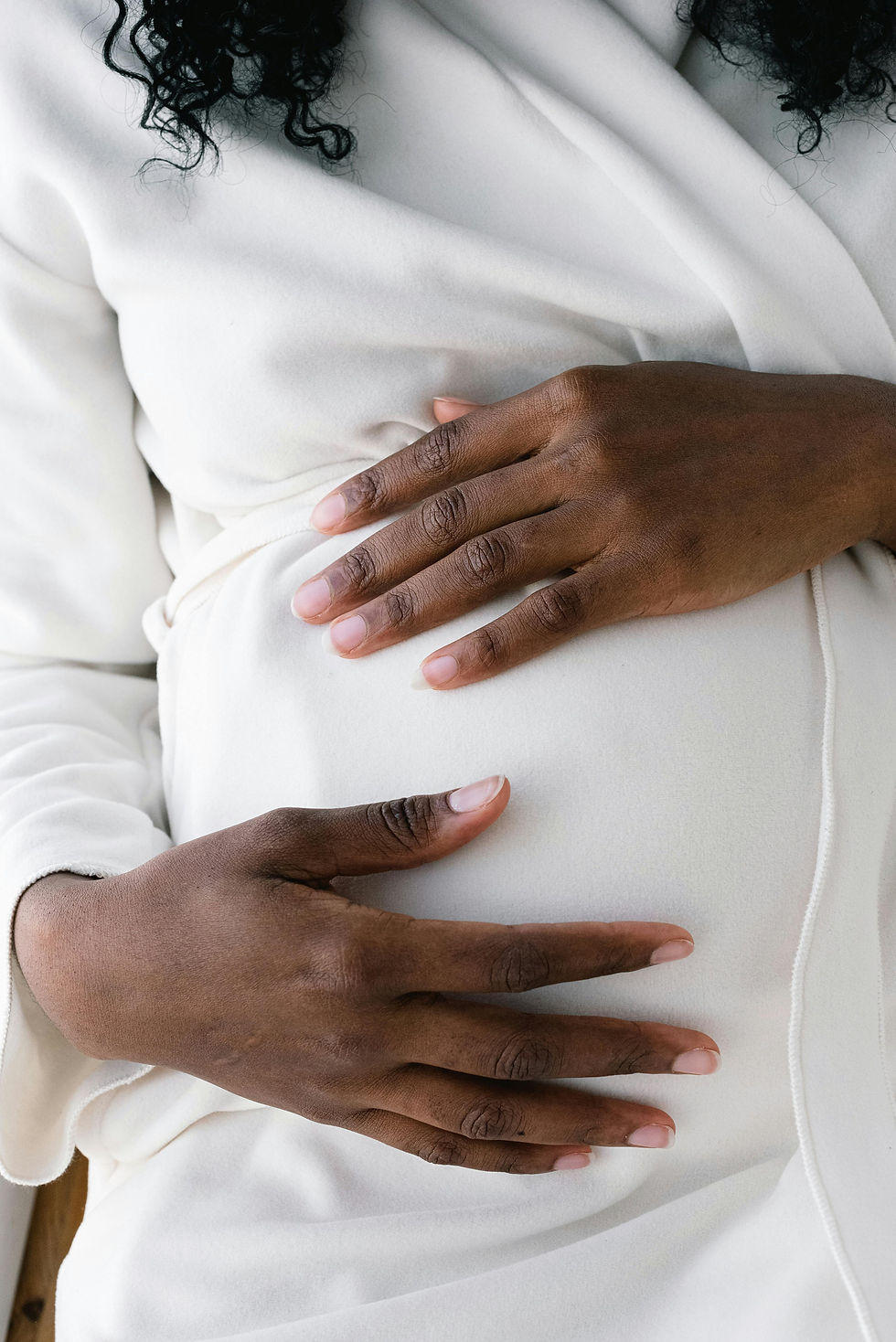
In the tapestry of maternal health, one glaring thread stands out - the disproportionate burden of pre-eclampsia borne by black women in England. A recent investigation conducted by The Guardian sheds light on a disquieting reality: Black women are up to six times more likely to encounter severe birth complications compared to their white counterparts, a revelation that has sparked urgent calls for action within the medical community.
The statistics paint a stark picture: despite constituting a mere 5% of all deliveries across England, black women represent a staggering 26% of those grappling with pre-eclampsia superimposed on chronic hypertension during childbirth. This glaring discrepancy is not confined to one aspect; black women are 1.5 times more prone to develop pre-eclampsia in general and constitute 16% of cases concerning high blood pressure complications.
The ramifications of pre-eclampsia extend far beyond national borders.
Globally, this condition infiltrates approximately 6% of pregnancies annually, resulting in a devastating toll of 500,000 fetal deaths and 70,000 maternal deaths. However, amidst these alarming figures lies a deeper concern - the disproportionate burden carried by marginalised communities, a reality underscored by the plight of black women in England.
To confront the disparities entrenched within maternal health, a multifaceted approach is imperative. Experts emphasise the pivotal role of addressing underlying health inequalities, particularly the prevalence of pre-existing conditions such as high blood pressure within certain ethnicities. The imperative lies not merely in treating the symptoms but in addressing the systemic factors perpetuating these disparities.
Amidst the somber reality lies a glimmer of hope: advancements in medical science offer potential avenues for intervention and mitigation. The National Institute for Health and Care Excellence advocates for the administration of low-dose aspirin to women deemed at high risk of pre-eclampsia, a measure proven to curb its onset. Furthermore, innovations such as placental growth factor testing herald a promising stride towards early detection and targeted intervention.
The journey towards equitable maternal health demands heightened awareness and advocacy. Routine antenatal screenings serve as crucial gateways for early detection, offering a lifeline for at-risk mothers. Yet, beyond the confines of medical institutions, a broader societal reckoning is essential - one that dismantles entrenched biases and fosters a culture of inclusivity within healthcare systems.
Rachel Wells, a senior lecturer in midwifery at De Montfort University, expressed her shock and disappointment at the figures that show women from marginalised communities, particularly women of color, are at a higher risk of developing pre-eclampsia or hypertension during pregnancy. She suggested that healthcare professionals should work closely with these mothers and their babies to create a safer pregnancy journey, which is essential in reducing health inequalities.
However, this issue should not be tackled by healthcare professionals alone; everyone, including healthcare providers, policymakers, public health doctors, and the government, should work together to prioritise and invest in solutions that ensure a safer pregnancy for all women of color.
Speaking to the Guardian, an NHS spokesperson said: “The NHS is fully committed to ensuring all women receive high-quality care before, during and after their pregnancy – all local maternity and neonatal systems now have action plans in place to help ensure care is equitable for all mothers, babies and families, with staff having access to inclusive clinical training aids to support care for women and babies with black or dark skin.
‘As these figures demonstrate, further progress is needed, which is why the NHS is investing £10m this year to enable targeted action against inequalities, including providing more holistic support for women living in the 10% most deprived areas of England, who we know are more likely to experience adverse outcomes during pregnancy and birth.’
As we confront the specter of pre-eclampsia, the imperative to forge a path towards equity grows ever more pressing. Through collaborative research, targeted interventions, and unwavering advocacy, we can pave the way for a future where maternal health knows no bounds of race or ethnicity. In this shared endeavor lies the promise of a brighter, more equitable tomorrow for all mothers.


Comments